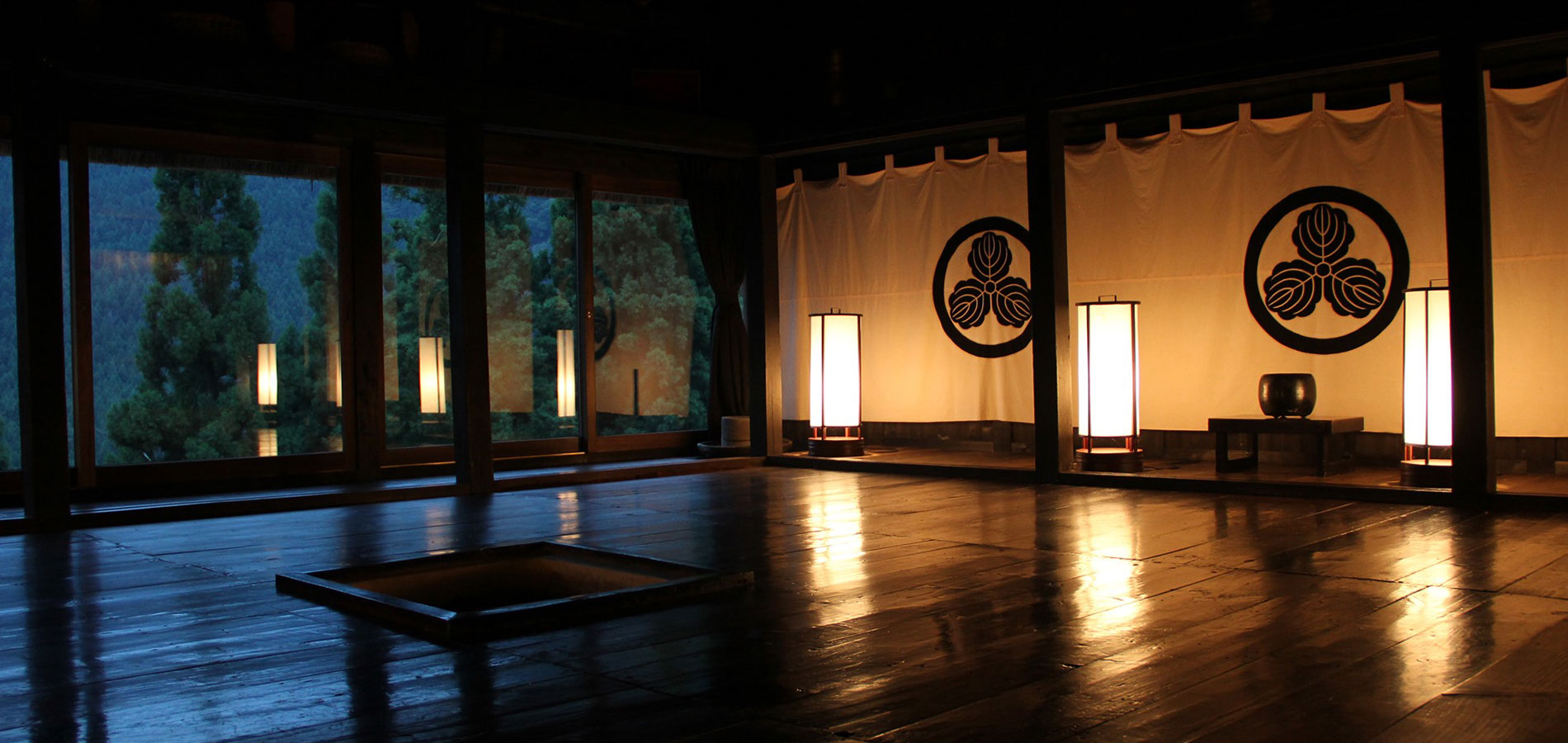
Chiiori is home, and a dream.
Iya, a mysterious mountainous region in the heart of Shikoku. Its steep canyons were dotted with numerous thatched houses. Now that they are disappearing, a dream, Chiiori has begun. The dream is to preserve the beauty of the Japanese countryside and to create an environmentally friendly community rooted in traditional culture. Chiiori aims to revitalize the village with unique and progressive projects, while working to preserve the old houses and customs.
Finding Chiiori
In 1971 Alex Kerr first discovered Iya Valley, a remote region in Tokushima Prefecture on the island of Shikoku. The impassably steep Iya Gorges kept the valley so secluded that over the centuries refugees from Japan's civil wars fled into Iya and settled there, notably the Heike survivors from the Genji/Heike wars of the 12th century. Even now Iya people speak a dialect with traces of ancient Heian court language.
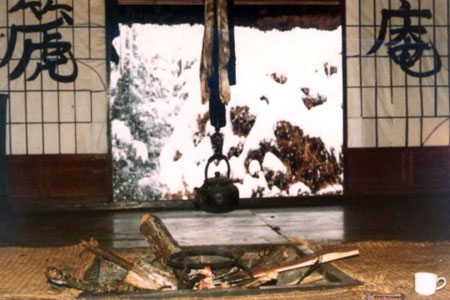
In 1973 Alex bought an old thatched farmhouse in the hamlet of Tsurui, in East Iya. Dating from around 1720, the house is typical of old Iya construction: with wooden floors, irori 囲炉裏 (floor hearths), and massive beams and rafters - all smoked black from centuries of fires burning in the floor hearths.
The house took the name Chiiori 篪庵, which means "House of the Flute."
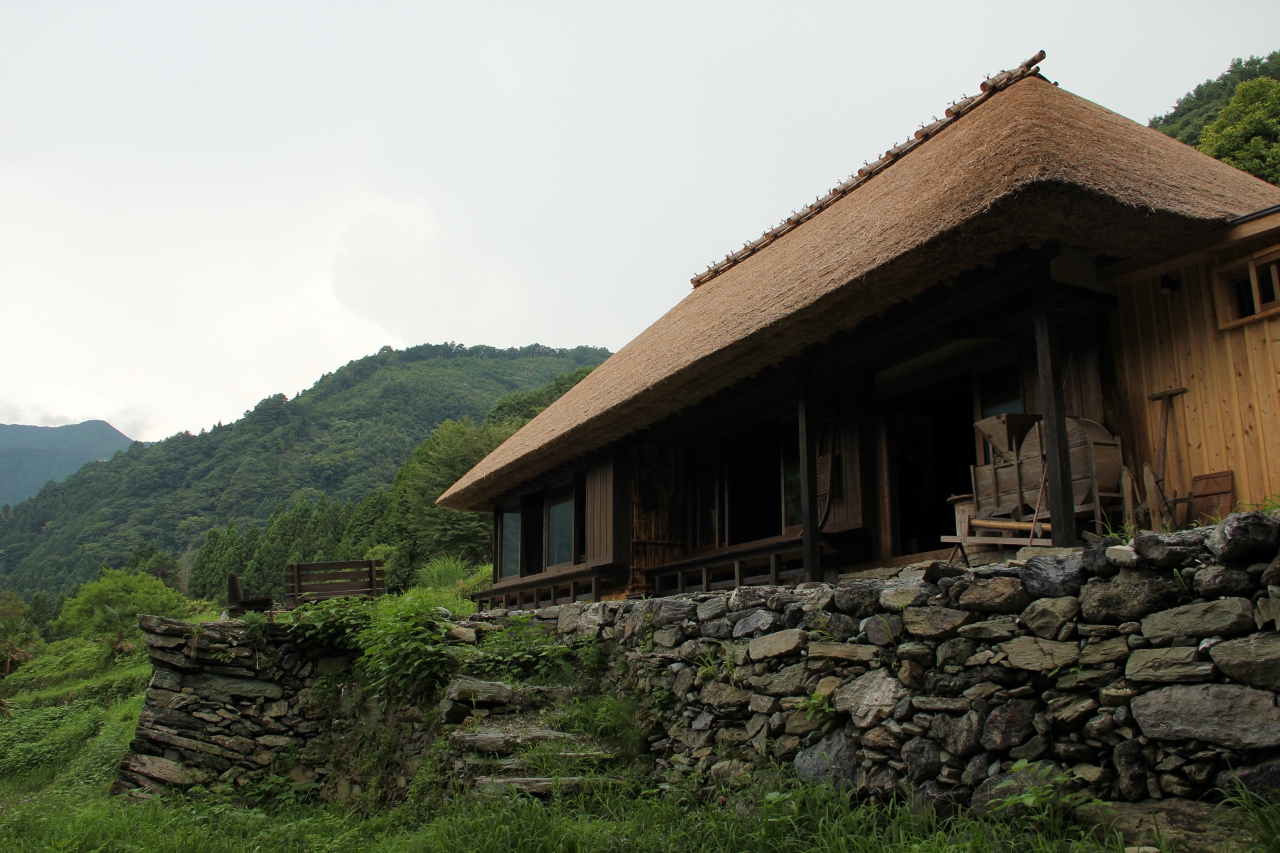
Alex-kerr and Chiiori
Purchasing Chiiori
When Alex first entered Iya in the summer of 1971, many houses were already abandoned. In the fall of 1972 Alex began looking throughout the villages of East and West Iya and also villages in neighboring mountain ranges in Kochi and on the eastern side of Mt Tsurugi. After exploring over a hundred houses, Alex settled on Chiiori, in the hamlet of Tsurui.
In June 1973, Alex bought the house. At the time it had been abandoned for seventeen years. Originally it belonged to the Kita 喜多 family (who live today just below Chiiori) for many generations, before changing hands several times before Alex found it.
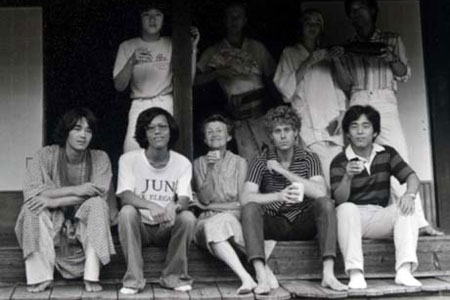
Neighbors
Right from the beginning the neighbors came over to help. Sometimes Alex would wake up to find that someone had brought cucumbers and left them on the verandah. In particular, the closest neighbor, Omo 尾茂 taught Alex much old Iya lore, and remains to this day a great friend and supporter.
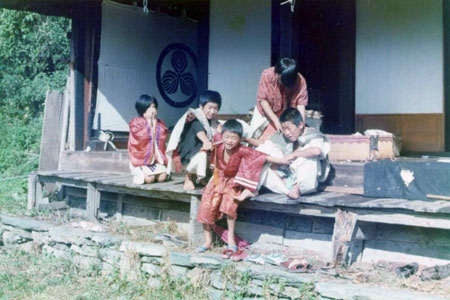
Naming the House
Early guests from outside Iya included poet Minami Shokichi 南 相吉, and one night Shokichi, Alex, and the village children (there were many in those days) got together and came up with a name for the house. The name they decided on was Chiiori ?庵, made up of Chi ? an archaic little-used character they found in the dictionary for “Flute”, and Iori 庵, meaning “Thatched Cottage”. Hence Chiiori, meaning “House of the Flute.” Shokichi wrote a poem about it to music from an old Quaker song, and the children used to sing it.
Since those early days, Alex has continued to be involved with Chiiori, including its complete re-thatching in 1988, and the founding of Chiiori Trust, of which he is the Director.
Writings
Alex wrote a memoir of his finding of Chiiori in the first two chapters of his book Utsukushiki Nihon no Zanzo 『美しき日本の残像』("Last Glimpse of Beautiful Japan") published in Japanese in 1993, and in English in 1996 as Lost Japan.
In 2001, Alex published Dogs and Demons (Japanese edition 『犬と鬼』2002), which describes the collapse of Japan's rural areas due to depopulation, the loss of historic heritage in old cities, and the mechanism whereby Japan's countryside was damaged by a decades-long (and still on-going) massive public construction regime. Alex has called for the revival of rural areas through sustainable tourism and rediscovery of the value of the natural environment and organic agriculture.
Alex Kerr's book
- Utsukushiki Nihon no Zanzo ("Last Glimpse of Beautiful Japan") published in Japanese in 1993, and in English in 1996 .
- Dogs and Demons published in Japanese in 2002 .